Summary
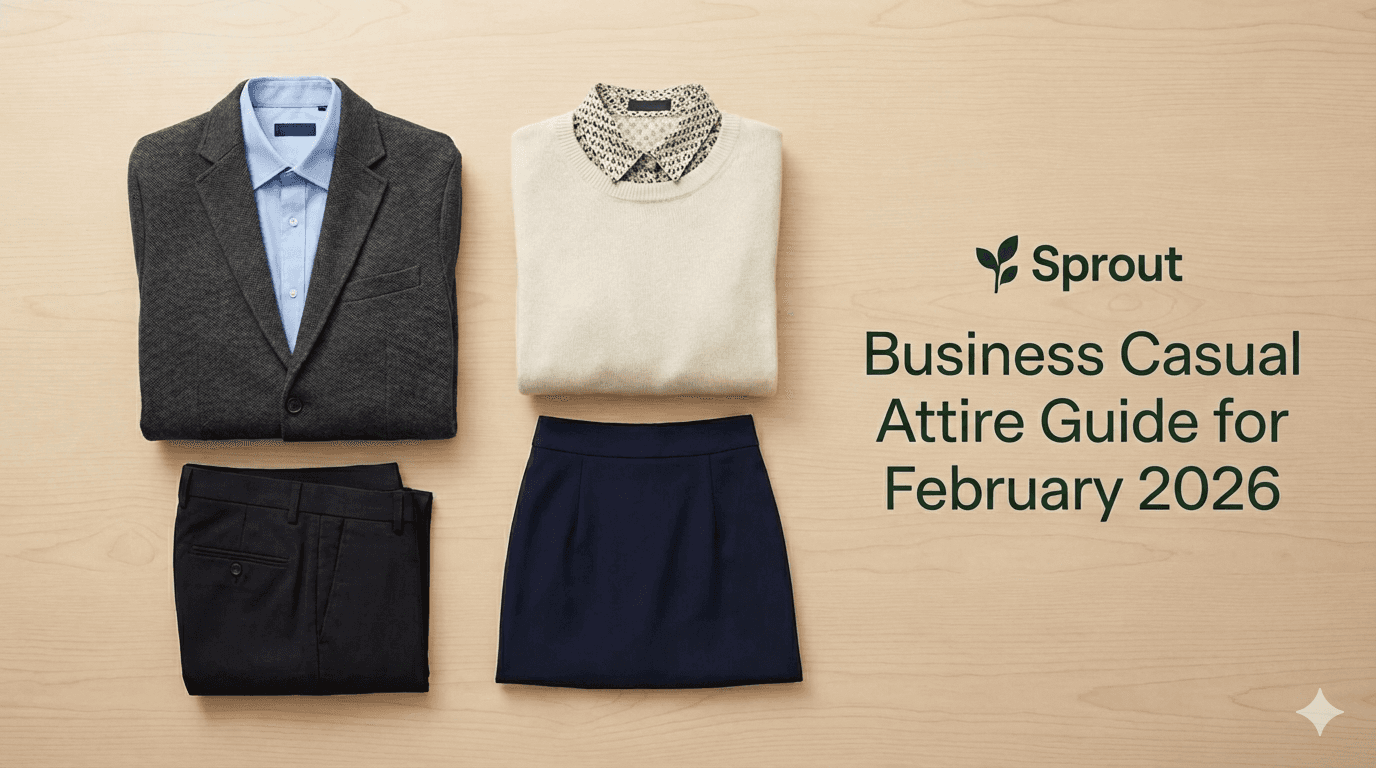
Learn what to wear for business casual in 2026. Complete guide covers men's and women's attire, jeans rules, seasonal tips, and interview dress codes.
You read “business casual” in the offer letter and suddenly you’re second-guessing everything in your closet. One search shows suits without ties, another shows polos and sneakers, and somehow both claim to be correct. The reality is that business casual varies widely depending on your industry, company culture, and the occasion in front of you. In this guide, you’ll get a clear breakdown of what belongs in your wardrobe, how to handle the jeans question without missteps, and how to adjust your look for interviews, first days, and client meetings. And once you’ve sorted your outfit, you can turn your attention to your application materials with help from trusted career tools that strengthen your resume before you even step into the room.
TLDR:
Business casual sits between formal suits and everyday wear, worn by 41% of U.S. workers in 2026.
Men need button-downs, chinos, and leather shoes; women need blouses, dress pants, and closed-toe flats.
Dark wash jeans work in some offices but skip them for interviews and first days until you observe norms.
Dress one level above standard for interviews; polished attire paired with tailored resumes lands more offers.
Some tools create ATS-friendly resumes with job-specific keywords that pass filters and get you interviews.
What Is Business Casual?
Business casual falls between everyday casual and formal business wear. It strikes a balance: professional enough for the office, comfortable enough for daily tasks without feeling stiff.
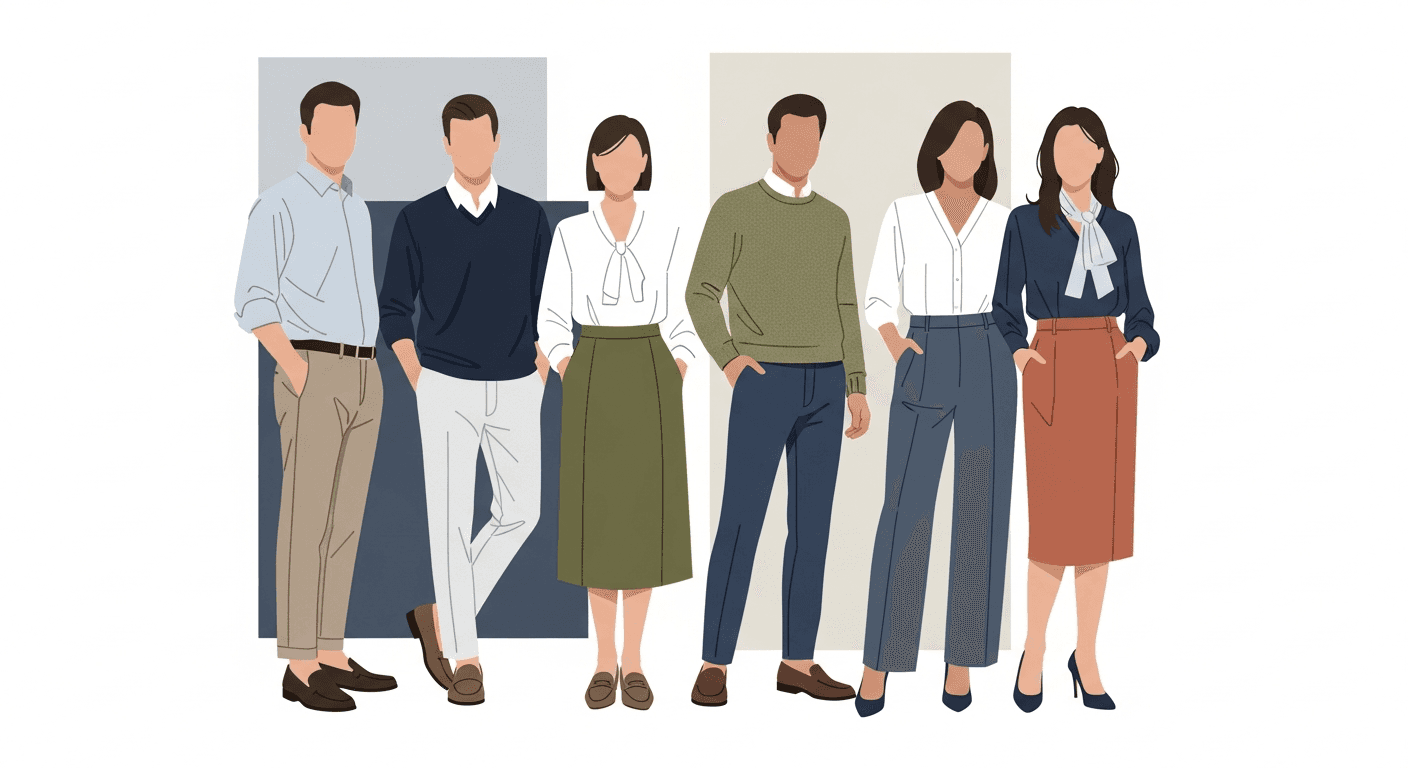
41% of U.S. workers dress business casual, making it the most common workplace dress code in 2026. Whether you're interviewing, starting a new job, or already employed, you'll likely encounter this standard.
The goal? Look put-together while maintaining comfort and personal style. Specific interpretations vary by company and industry, but the core principle remains consistent.
Business Casual for Men: Necessary Wardrobe Pieces
Start with versatile button-down shirts in white, light blue, and subtle patterns. Long sleeves work year-round and pair with everything. Skip anything too casual like flannel or loud prints.
Chinos are your foundation. Stick with navy, khaki, and gray. They're more relaxed than dress pants but cleaner than jeans.
A navy or charcoal blazer instantly improves any outfit. You can dress it down with chinos or up for interviews.
For shoes, leather loafers or dress shoes in brown or black are safe bets. Avoid sneakers unless your office explicitly allows them.
Business Casual for Women: Key Clothing Items
Women's business casual starts with blouses in white, cream, or soft pastels with subtle patterns. Pair them with tailored dress pants in black, navy, or gray. Blazers add polish over dresses or pants, while cardigans work in relaxed offices. Midi or knee-length shift dresses in solid colors offer easy one-piece options. Closed-toe flats, low heels, or ankle boots complete the look.
Business Casual Dress Code Do's and Don'ts
Here's what works and what doesn't when dressing business casual.
Do's
Focus on fit over brand. Clothes should sit comfortably without pulling, bunching, or hanging loose
Iron your garments. Wrinkled pieces read as sloppy, even when everything else is right
Keep accessories minimal. A watch and simple jewelry work well
Match your belt to your shoes when wearing both
Don'ts
Skip ripped, distressed, or intentionally worn items
Avoid visible logos or graphics on shirts
Don't show too much skin. Skip low-cut tops, short skirts, or shorts
Leave athletic wear at home. Leggings, sweatpants, and hoodies don't belong
The biggest mistake? Dressing too casual for your first day or interview. When uncertain, lean slightly more formal. You can always adjust down after observing workplace norms.
Are Jeans Business Casual?
Sometimes. Dark wash jeans without rips or fading can work in some settings, but they're risky in others.
The safest move? Observe your workplace first. If you're interviewing or starting a new job, skip jeans the first week. Watch what coworkers and managers wear. If jeans appear regularly, you're good. If you only see dress pants and chinos, stick with those.
When jeans do work, choose dark indigo or black denim with a straight or slim fit. Avoid light washes, distressing, or baggy cuts.
If you're unsure, chinos offer the same comfort without the risk.
Business Casual by Occasion: Interviews, First Days, and Beyond
Different situations call for different approaches within business casual. For interviews, dress one level above standard: men should add a blazer and tie, while women can opt for a structured blazer with dress pants or a knee-length dress. On your first day, match what you observed during interviews or lean slightly formal until you gauge the office norm. For client meetings, mirror your client's expected dress code and err toward polished. Day-to-day, follow your team's lead while staying within company guidelines.
Business Casual Attire for Different Industries
Tech companies and startups run the most relaxed. Jeans (even light wash) often pair with button-downs or polo shirts. Sneakers frequently replace dress shoes.
Finance, law, and consulting skew formal. Men should wear dress pants and blazers even when the official code says "business casual." Women do well with dresses, tailored pants, and closed-toe heels. Jeans rarely work here.
Creative agencies, marketing firms, and media companies sit in the middle. Style and personality matter more. You can experiment with patterns, colors, and accessories while keeping pieces office-appropriate.
Healthcare and education vary by role. Administrative staff can wear standard business casual, while patient-facing or classroom roles need clean, conservative pieces.
Industry | Formality Level | Men's Guidelines | Women's Guidelines | Jeans Policy |
|---|---|---|---|---|
Tech & Startups | Most Relaxed | Button-downs or polos with jeans, sneakers often acceptable | Blouses with jeans or casual dress pants, flats or clean sneakers | Usually allowed, including light wash |
Finance, Law & Consulting | Most Formal | Dress pants and blazers are often standard, with dress shoes expected | Tailored dresses or pants with blazers, closed-toe heels | Rarely appropriate |
Creative Agencies & Marketing | Moderate | Business casual with room for patterns and color, stylish shoes | Fashion-forward blouses and pants, personality in accessories | Dark wash typically acceptable |
Healthcare & Education | Varies by Role | Clean button-downs with chinos for admin, conservative for patient-facing | Professional blouses with dress pants, conservative styling for classroom roles | Depends on specific position |
Plus Size Business Casual: Style Tips and Shopping Resources
Finding business casual pieces in extended sizes requires research, but dedicated retailers like Eloquii, Lane Bryant, and Torrid offer work-appropriate collections. Mainstream brands including Ann Taylor, J.Crew, and Banana Republic carry up to size 26 in many styles.
Focus on fit over trends. Well-tailored blazers that hit at the hip and pants with proper rise create a polished look. Stretchy fabrics with structure, like ponte knit dress pants, provide comfort without appearing too casual. A-line and wrap dresses in knee-length or midi cuts work well for most body types, especially in solid colors or subtle patterns.
Seasonal Business Casual: Dressing for Summer and Winter
Summer calls for lighter fabrics and breathable pieces, while winter requires smart layering without bulk.
Summer
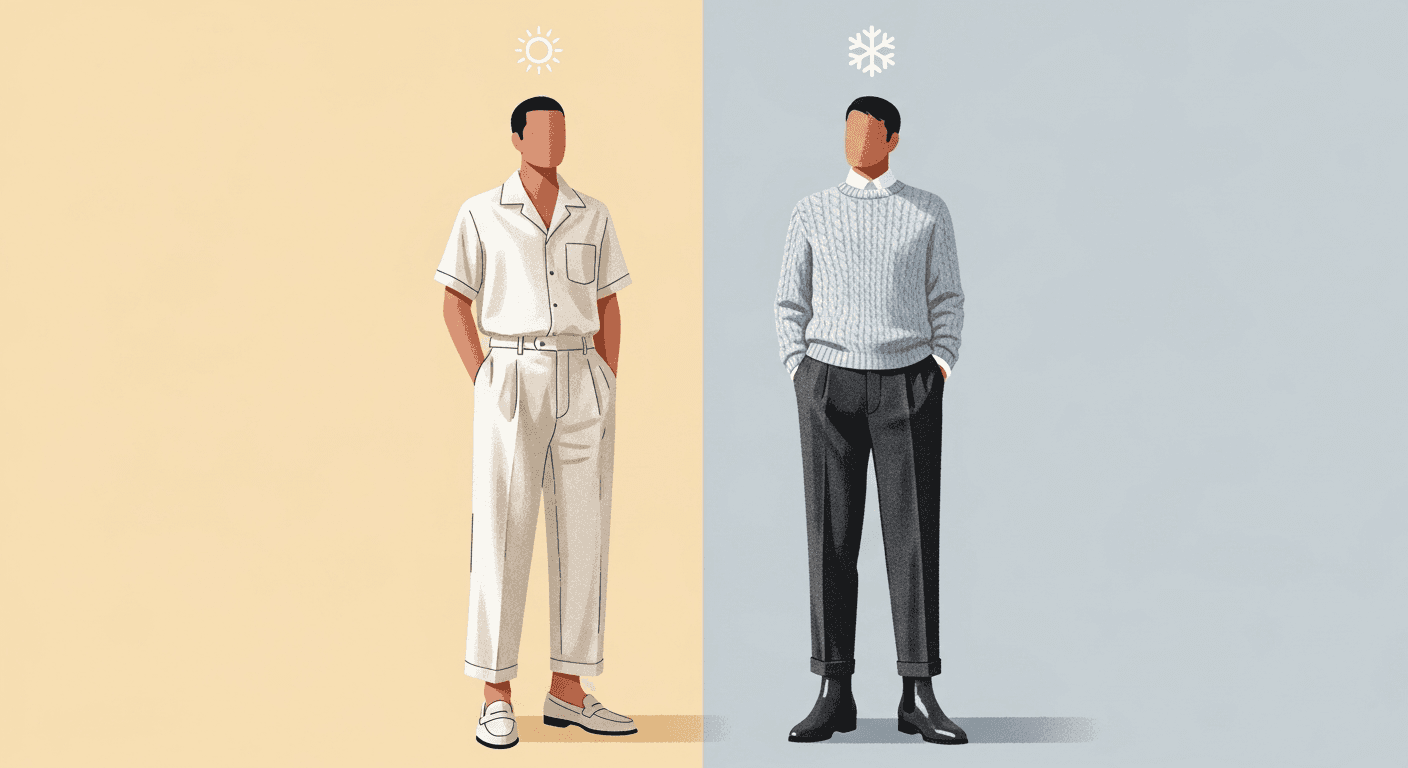
Choose cotton, linen, or moisture-wicking blends that breathe better than synthetics. Men can wear short-sleeve button-downs where allowed, or long sleeves with rolled cuffs. Lightweight chinos in stone or khaki look seasonally appropriate. Women can opt for sleeveless blouses under blazers or midi dresses in breathable fabrics.
Winter
Layer a base piece (shirt or blouse), then a sweater or blazer. Wool-blend pants provide warmth while staying professional. Men can add V-neck sweaters over dress shirts. Women can layer turtlenecks under blazers or wear knit dresses with tights. Keep a blazer at your desk for cold offices.
Dressing for Success: How Your Attire Impacts Interview Outcomes
Your outfit speaks before you do. Hiring managers form first impressions within seconds of meeting candidates, and appearance plays a major role in that initial assessment.
Getting the interview takes work. Sprout helps you get there by creating tailored resumes and cover letters built with ATS-friendly formatting (standard headers, clean parsing) that pass filters and catch recruiter attention. Once you land that interview, your presentation matters just as much.
Dressing appropriately shows you understand workplace norms and take the opportunity seriously. When you pair Sprout's job-specific resume tailoring with polished business casual attire, you create a complete strategy: quality applications that get you interviews, and professional presentation that helps you stand out.
FAQs
Can I wear jeans to a business casual interview?
No, skip jeans for interviews entirely and opt for dress pants or chinos instead. Even if the company allows dark-wash jeans day-to-day, interviews require you to dress one level above standard business casual to show you take the opportunity seriously.
What's the difference between business casual and business professional?
Business professional requires structured suits, ties for men, and formal footwear, while business casual is more relaxed. Think blazers without ties, dress pants or chinos, and polished shoes without the full suit requirement.
How should I adjust business casual attire for summer weather?
Choose breathable fabrics like cotton, linen, or moisture-wicking blends, wear lighter colors like stone or khaki, and consider short-sleeve button-downs (where allowed) or sleeveless blouses under blazers to stay cool while maintaining a professional appearance.
What shoes work best for women's business casual?
Closed-toe flats, low heels (1-3 inches), and ankle boots in neutral colors like black, brown, or nude are your safest options and work across most office environments.
How do I know if my workplace allows jeans?
Observe what coworkers and managers wear during your first week before introducing jeans. If you consistently see dark-wash jeans without rips, you're likely safe, but if everyone wears dress pants and chinos, stick with those.
Final Thoughts on Business Casual Dress Codes
Business casual is less about rigid rules and more about reading the room with confidence. When you build your wardrobe around classic, well-fitted staples and adjust based on your industry and occasion, you walk in prepared instead of unsure. From interviews to first client meetings, small choices in presentation can influence how seriously you’re taken. The same principle applies to your resume. Pair polished business casual with a tailored application created through Sprout, and you give yourself an edge that carries from first impression to final offer.