

Summary
Learn how to start a cover letter in January 2026 with proven opening lines, examples, and ATS tips. 41% of hiring managers prioritize your intro—make it count.
We all know the opening of your cover letter is important, but here is what actually happens: recruiters scan your application in seconds, and if your first sentence does not hook them, you are out. Figuring out how to start a cover letter the right way is what gets you past that brutal first filter. Most hiring managers say the introduction is the most impactful part of a cover letter, so leading with “I am writing to apply for” is a fast way to get ignored.
TLDR:
Start with a hook that shows value immediately; hiring managers say your opening is the most impactful section.
Skip “To Whom It May Concern” and find the hiring manager’s name on LinkedIn or the company site.
Lead with achievements, referrals, or problem‑solving instead of “I am applying for this job.”
Mirror job description keywords in your opening to pass the ATS software that screens out many applications.
Sprout generates tailored, ATS‑friendly cover letters in seconds by mapping your resume to each job’s requirements.
Why Your Cover Letter Opening Matters in 2026
Recruiters scan applications faster than my dad scans a restaurant bill for errors, and they have very little patience. If you fail to grab their attention in the first sentence, they move on, because your opening paragraph acts as the hook that decides whether you land an interview or the digital trash bin.
This is not about scaring you; the numbers back it up. Research shows that 41% of hiring managers say the introduction leaves the biggest impression, so starting with a generic “I am writing to apply for” feels like white noise instead of a reason to keep reading. You need to offer value right away and show you read the job description and understand the problem they are trying to solve.
How to Handle a Cover Letter When You Do Not Know the Hiring Manager’s Name
“To Whom It May Concern” is the quickest way to sound like a template. You want a human connection, so finding a name is your first task.
Check the company's “About Us” page or search LinkedIn for the department head.
Call the main line and ask who manages hiring for the role.
When you truly cannot find a name, stick to “Dear Hiring Manager” or the group, like “Dear Marketing Team.” This approach lets you start a cover letter greeting without sounding stiff or outdated. Skip “Dear Sir or Madam”; we are not in the 1950s. If you are unsure how to start a cover letter to human resources, “Dear Human Resources Team” is a safe option.
7 Effective Ways to Start Your Cover Letter
Walking into a party and announcing “I am here” is awkward. Opening with “I am applying for this job” does the same thing. It wastes space you should use to hook the hiring manager immediately.
Try these seven openers:
Achievement: “After increasing leads by 40%, I want to replicate that growth for your team.”
Referral: “John Smith recommended I apply for this role.”
Super fan: “I have used your app since 2019, and it changed my workflow.”
News: “I read about your expansion and want to offer my logistics experience.”
Problem‑solver: “Scaling support is hard. My automation background helps.”
Passion: “Marketing is the puzzle I wake up excited to solve.”
Value match: “Your mission aligns with my fintech background.”
These lines answer “so what?” immediately. Whether you are learning how to start a cover letter for a job application or an internship, open with your strongest asset, and if you have numbers, use them.
Cover Letter Opening Mistakes That Get You Rejected
You might think a standard template works, but hiring managers spot them instantly. Studies show that a large share of recruiters reject generic applications that are not customized to the role, while tailored materials earn far more interviews. Since only a minority of job seekers consistently tailor their applications, doing so gives you an edge.
Avoid these specific errors:
The resume rehash: Your cover letter is not a paragraph version of your CV; they already have that.
Wrong details: Leaving the wrong company name in the header can sink your application.
Self‑centered focus: Focusing on what the role does for you instead of how you can help them.
Personalization matters; one study found that individualized cover letters can boost interview chances by around 50%. Do not lose out because you skipped the details.
How to Tailor Your Cover Letter Opening for Different Job Types
Sending a generic opener for a creative role makes you look dull, and being too casual for finance can make you look risky. You want your first lines to align with the role's tone and expectations.
Role Type | Strategy | Opening Example |
|---|---|---|
Internship / Student | Focus on coursework over history. | "As a Junior studying Data Science, I want to apply my Python skills to your analytics team." |
Career Changer | Bridge the gap with transferable skills. | "My 5 years in sales taught me resilience, a trait I am excited to bring to Customer Success." |
Senior Role | Lead with hard metrics. | "I drove $2M in revenue growth previously and plan to scale your Q4 sales similarly." |
Internal Position | Use insider context. | "After 3 years in Product, I am excited to bring deep product knowledge to Marketing." |
If you are writing a cover letter with no work experience, stop apologizing and sell your potential instead. For speculative applications, lead with a recent company win; if you are wondering how to start a cover letter for a teaching job, open with your classroom philosophy.
Cover Letter Opening Examples That Work
Whether you need cover letter examples for internships or senior roles, clarity beats cleverness. Here is how to adapt your opening for different stages.
Students and freshers
No work history? Call out potential.
“As a recent grad, my digital strategy coursework and Social Chair role prepared me to drive engagement for [Company Name].”
Experienced hires
Skip pleasantries and lead with outcomes.
“As Sales Manager, I drove a 30% revenue increase. I want to bring this data‑driven approach to help [Company Name] exceed Q3 targets.”
Career changers
Bridge industries with shared skills.
“My retail background honed the conflict resolution skills needed for this Client Success role.”
Format tip: Save your cover letter in Word or PDF. Fancy columns and heavy design can confuse applicant tracking systems, so a simple layout improves your odds of getting seen.
How AI Can Help You Start Your Cover Letter (Without Sounding Robotic)
Typing a prompt into a free generator feels like a shortcut, but submitting unedited output is risky. Surveys show that many hiring managers dislike applications that sound machine‑written and say they can often tell when automation was used.
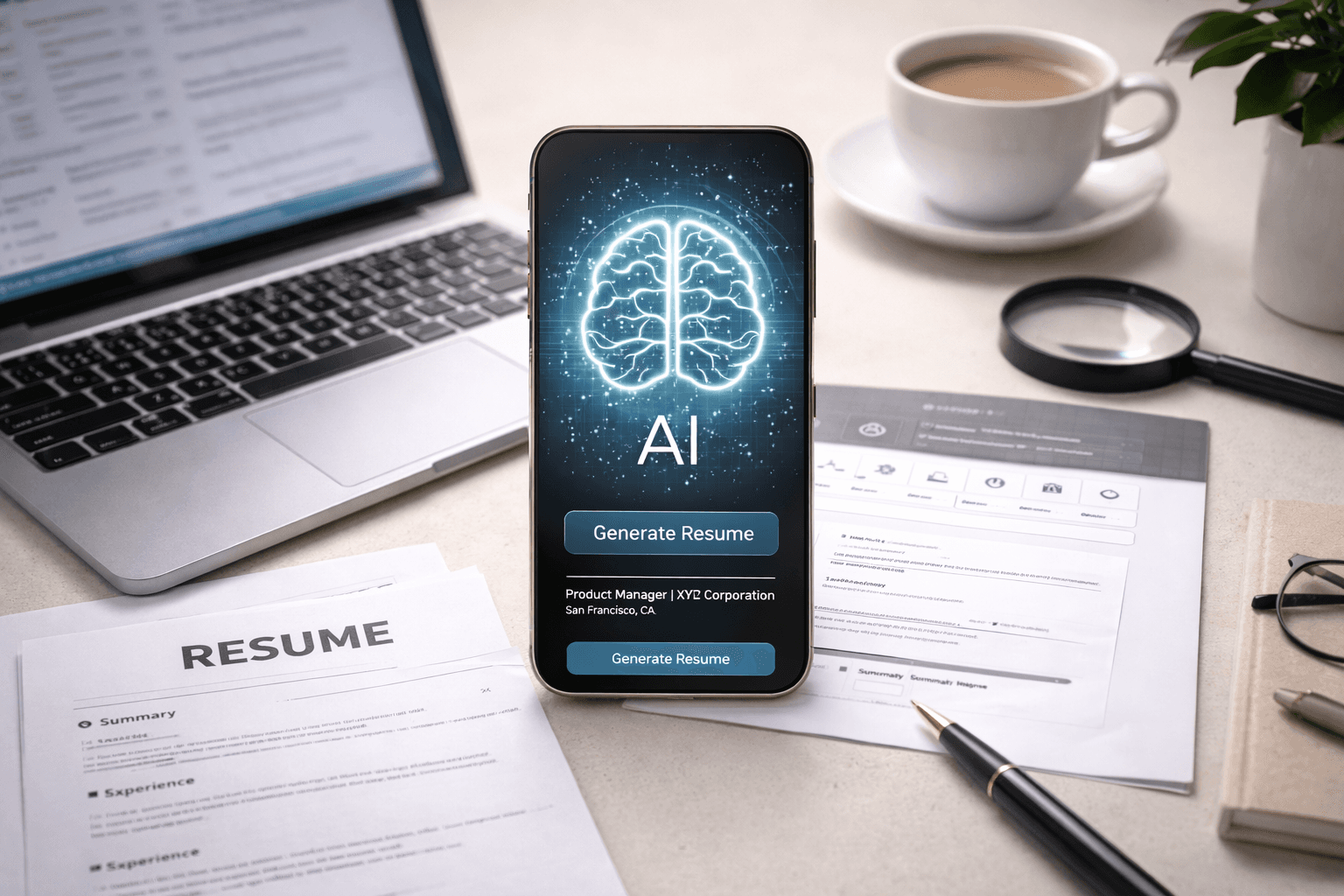
That does not mean you should avoid tools entirely. A tool like Sprout can handle structure and map your resume skills to the job description’s specific keywords, reducing the “copy‑paste template” feel common in free tools. You still need to polish the result by adding your own voice, examples, and details so it feels like something only you could have written.
How Sprout Helps You Create Personalized Cover Letter Openings at Scale
Staring at a blank page kills momentum, and many people end up pasting the same vague paragraph into every application. Sprout removes that initial friction by analyzing the job description alongside your resume to draft a tailored cover letter that calls out specific achievements and connects your skills directly to what the company is looking for.
Instead of fabricating details, Sprout relies on the actual posting and your experience, then showcases important keywords and weaves them into your opening. You get ATS‑ready formatting with proper headers and clean structure, so your materials parse correctly and look intentional, not generic. The result feels hand‑built but takes seconds, helping you apply to more roles without sacrificing quality.
Final Thoughts on Nailing Your Cover Letter Start
The way you open your cover letter determines if a recruiter keeps reading or moves on. If you want to master how to start a cover letter for a job, skip the generic greetings and lead with a metric, referral, or problem you can solve. Tailor every word to the posting, keep it ATS-friendly, and show you did your homework. Your next interview starts with that first sentence.
FAQs
How do I start a cover letter when I can't find the hiring manager's name?
Use "Dear Hiring Manager" or write the specific team, such as "Dear Marketing Team." Skip outdated phrases like "To Whom It May Concern" or "Dear Sir or Madam." They make you sound robotic and disconnected from the actual role.
What's the biggest mistake people make in cover letter openings?
Starting with "I am writing to apply for" wastes your most valuable real estate. 41% of hiring managers say the introduction is their top priority, so you need to hook them immediately with a specific achievement, referral, or problem you can solve instead of stating the obvious.
Can I use AI to write my cover letter opening without getting rejected?
Yes, but don't submit raw AI output 80% of hiring managers reject applications that sound like generic ChatGPT. Use AI like Sprout to build the structure and match job-specific keywords, then add your actual personality and specific examples to avoid the robotic tone that gets you tossed.
How long should my cover letter opening paragraph be?
Keep it to 2-3 sentences that immediately show value. Your opening should answer "so what?" by leading with your strongest asset, whether that's a metric, a referral, or a specific skill that solves their problem, before the recruiter moves to the next candidate.
Should I write different cover letter openings for entry-level versus senior roles?
Absolutely. For internships or student roles, focus on coursework and potential, since you lack work history. For senior positions, lead with hard metrics and revenue impact. Match your opening strategy to what matters most for that specific career level and industry.