

Summary
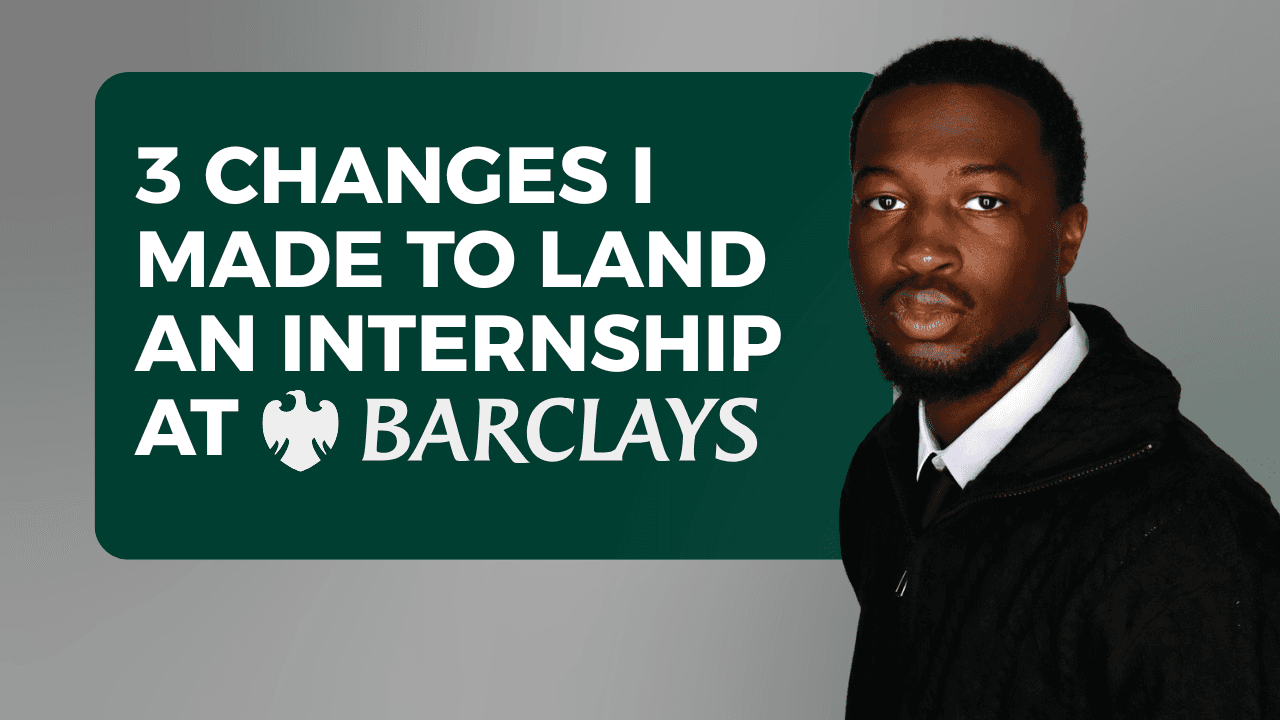
How Abbass, a Sprout user, went from no responses to SWE interviews and offers at JPMorgan, EA, Roblox, Activision, and Micro1 by improving his application strategy and interview approach.
Watch the full story here.
TL;DR:
After struggling to get responses from job applications, Abbass improved his software engineering recruiting approach and landed interviews and offers from companies like JPMorgan, EA, Roblox, Activision, and Micro1. He focused on refining how he applied, understanding how technical interviews are structured, and preparing with intention. By streamlining applications, improving communication in interviews, and approaching whiteboarding and presentations with structure, he was able to build momentum and convert opportunities into offers.
If you’re applying to software engineering roles right now, it can feel overwhelming.
You do what everyone tells you to do.
Apply on LinkedIn. Apply on company websites. Practice LeetCode. Build projects.
And still, sometimes nothing happens.
No interviews. No replies. It can feel like you’re putting in effort without seeing progress.
For Abbass, that experience was familiar.
He was putting in the work and following the usual advice, but he wasn’t getting traction early on.
By the end of his recruiting cycle, he had interviews and offers from JPMorgan, EA, Roblox, Activision, and Micro1.
What changed came down to how he adjusted his approach.
The starting point: doing everything right, but getting no traction
Like many aspiring software engineers, Abbass followed a common path: Applying to roles across LinkedIn and company career pages, practicing coding problems on LeetCode, working on personal and academic projects.
On paper, his efforts were aligned with what most candidates do. Even so, responses were limited. This is a point many candidates run into during recruiting.
The real challenge: getting the interview
For many SWE candidates, technical interviews get the most attention. Getting the interview itself often becomes the first hurdle.
Abbass noticed that:
His applications weren’t standing out clearly
His resume didn’t fully reflect his technical strengths
He was applying without a defined strategy
His experience reflects a common pattern where skills are present, but not always communicated effectively.
What changed: applying with intention
Abbass adjusted how he approached applications.
He focused on:
Tailoring his resume to specific roles
Highlighting relevant technical projects and experience
Aligning his skills with what each role required
Around this time, he also started using Sprout.
It helped him:
Generate tailored applications more efficiently
Stay organized across multiple roles
Reduce time spent on repetitive application tasks
This made it easier to shift attention toward interview preparation.
What happened once interviews started coming in
As his application approach improved, Abbass began receiving interview opportunities.
Companies included:
JPMorgan
EA
Roblox
Activision
Micro1
At this stage, the focus moved toward performing consistently during interviews.
Inside the SWE interview process
While each company had its own format, several patterns came up across interviews:
Online Assessments
These focused on:
Data structures and algorithms
Problem-solving within time limits
Technical Interviews
These typically included:
Live coding problems
Walking through solutions step by step
Writing clean and functional code
Whiteboarding sessions
Abbass put specific effort into improving how he approached whiteboarding.
He would:
Clarify the problem before starting
Walk through his approach out loud
Break solutions into structured steps
Address edge cases as he worked
This approach helped interviewers follow his thinking clearly throughout the process.
Behavioral and mixed rounds
Some interviews also included presentation-style components.
To prepare, Abbass built a structured presentation deck that covered:
A key project
The problem it addressed
His technical approach
Trade-offs he considered
The final outcome
He focused on explaining decisions clearly and guiding the interviewer through his process.
How he prepared for technical interviews
Abbass used LeetCode as part of his preparation.
He approached it with structure by:
Focusing on patterns across problems
Practicing how to explain solutions out loud
Simulating interview scenarios
He also prepared to speak in detail about:
His projects
Technical decisions
Trade-offs
Clear communication played a consistent role throughout his interviews.
The turning point: turning interviews into offers
Once interviews became more consistent, Abbass focused on maintaining performance across them.
He worked on:
Staying composed during interviews
Communicating clearly
Approaching conversations with structure
Over time, this consistency led to offers.
His advice for students pursuing SWE roles
Abbass’s experience highlights a few key areas:
For applications:
Focus on how your skills are presented
Be intentional with where and how you apply
For interviews:
Practice explaining your thought process
Focus on clarity when solving problems
Be prepared to walk through your decisions
Consistency in both preparation and communication can make a noticeable difference.
The bottom line
Abbass adjusted how he approached recruiting.
He focused on:
Improving how his skills were communicated in applications
Understanding the structure of SWE interviews
Approaching whiteboarding with clarity and structure
Presenting projects in a clear and organized way
These changes supported his progression from limited responses to interviews and eventually offers.
If you’re going through recruiting right now, refining your approach can help create more consistent progress over time.
Apply smarter with Sprout
Sprout helps software engineering students and early-career candidates apply to jobs faster while generating tailored applications automatically.
You can spend less time on repetitive application work and more time preparing for interviews.
Start applying smarter today.