

Summary
Learn 15 proven strategies to improve your communication skills in Feb. 2026. Master active listening, written clarity, and verbal impact to succeed at work.
You're losing opportunities before you even realize it. Your resume gets filtered out because it doesn't speak the language recruiters want. Your ideas get overlooked in meetings because your delivery lacks punch. Your emails take five exchanges to accomplish what one clear message should have done. The truth is, strong communication skills examples show up everywhere, from how you frame your experience in a cover letter to how you handle a tense conversation with a colleague. Most people assume they communicate fine and wonder why things keep breaking down. The real issue is that different situations need different approaches, and knowing which tool to use when separates people who get heard from those who get ignored.
TLDR:
Strong communication cuts through 70% of hiring decisions and prevents $1.2 trillion in business losses.
Active listening and matching body language to words builds trust faster than perfect speech.
Written clarity saves 19 hours weekly by eliminating back-and-forth from vague messages.
Adapting your tone and channel choice prevents conflicts before they escalate.
Some modern solutions tailor resumes with job-specific keywords so your skills match what employers actually scan for.
What Communication Skills Are and Why They Matter
Communication skills are how you share information, ideas, and feelings with others through speaking, writing, listening, and body language. They're the foundation of almost every interaction you have, whether you're explaining a project at work, texting a friend, or interviewing for your dream job.
Here's why they matter so much: around 70% of employers worldwide say that good communication is the most important skill they want in new employees. That's more than corporate speak. When you can clearly express yourself and understand others, you build trust, solve problems faster, and avoid costly mistakes.
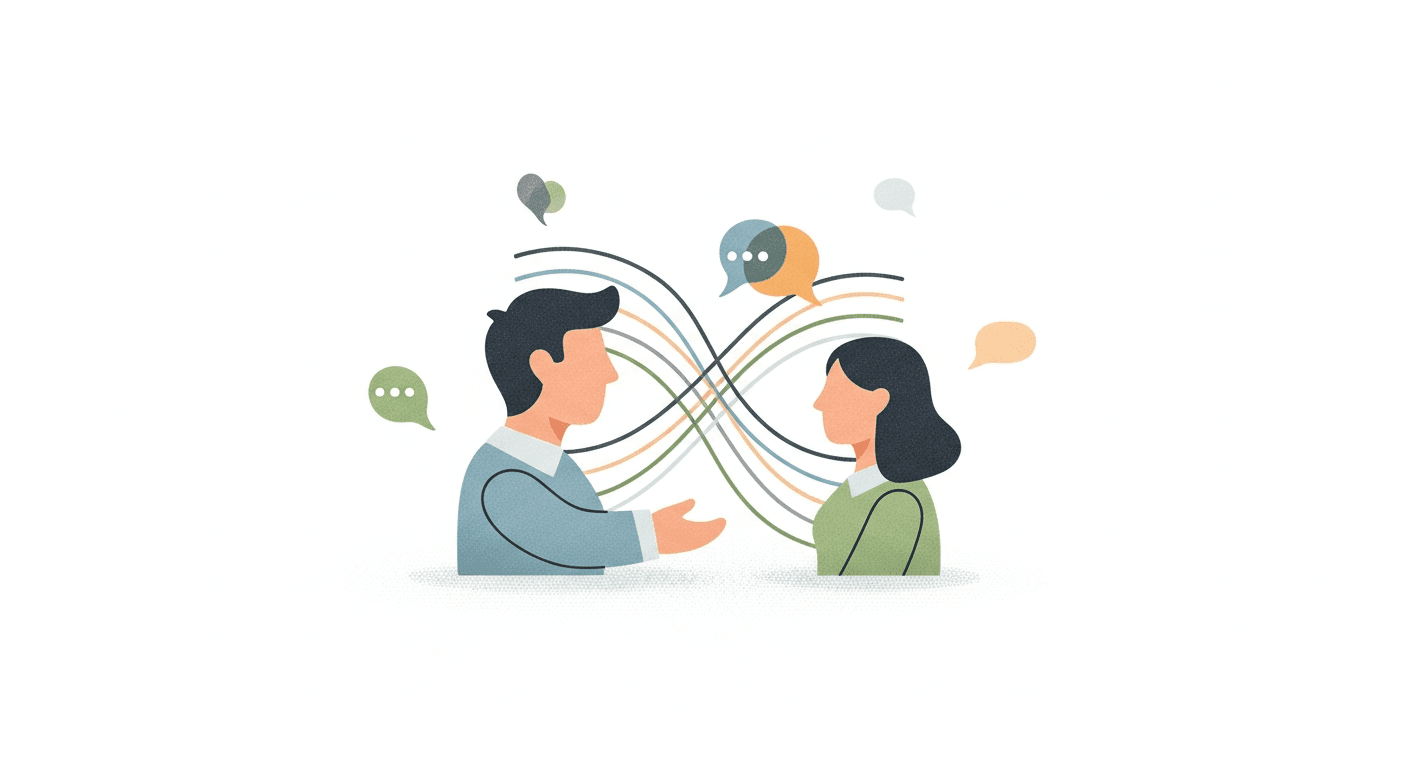
The price of poor communication is staggering. U.S. businesses collectively lose $1.2 trillion annually due to miscommunication and collaboration failures. That breakdown happens when emails get misread, instructions aren't clear, or team members talk past each other instead of connecting.
Strong communication skills open doors in every area of life. They help you land interviews, negotiate better offers, lead teams, and build relationships that actually last.
Master Active Listening to Change Your Conversations
Active listening means fully concentrating on what someone is saying instead of just waiting for your turn to talk. It's about absorbing their words, tone, and intent before you respond. Most people hear words but don't truly listen, which is why conversations break down and messages get lost.
When you practice active listening, you show respect and build deeper connections. People feel valued when you actually pay attention, which creates trust in both work settings and personal relationships. You also catch details you'd otherwise miss, leading to better decisions and fewer misunderstandings.
Here's how to do it: maintain eye contact without staring, nod occasionally to show you're engaged, and resist the urge to interrupt or finish their sentences. After they speak, paraphrase what you heard back to them (similar to crafting a strong summary statement) to confirm you understood correctly. Ask follow-up questions that dig deeper instead of surface-level ones.
Put your phone away during conversations. Seriously. Divided attention kills active listening faster than anything else.
Decode Nonverbal Communication to Strengthen Your Message
Your body often speaks louder than your words. Crossed arms during a conversation can signal defensiveness, even if you're verbally agreeing. A genuine smile creates warmth, while avoiding eye contact raises doubt about your sincerity.
Nonverbal cues include facial expressions, posture, gestures, eye contact, and the physical distance you keep from others. When these signals contradict your words, people trust what they see over what they hear. If you say "I'm confident about this" while slouching and fidgeting, your audience won't believe you.
The fix is alignment. Match your body language to your message. Stand or sit up straight when presenting ideas to project confidence. Make appropriate eye contact (about 60-70% of the time during conversations) to show engagement without staring. Use open gestures with your hands instead of hiding them in pockets or crossing your arms.
Pay attention to others' nonverbal signals too. When someone leans back or checks their watch, they might be disengaged. Recognizing these cues lets you adjust your approach in real time.
Develop Clear Written Communication Skills
Written communication takes up roughly 19 hours each week of your workday through emails, reports, and messages. Without tone or facial cues, your words need to be crystal clear the first time.
Cut filler phrases immediately. Replace wordy phrases with direct language. Your main point belongs in the first sentence so readers don't dig for it. Break up dense paragraphs with bullet points and white space.
Always proofread before you send. Typos kill credibility in seconds. Read your draft aloud or wait 30 seconds before hitting send to catch mistakes you'd otherwise miss.
Improve Your Verbal Communication for Maximum Impact
Your voice carries information beyond just words. The same sentence can mean totally different things depending on whether you say it with warmth, frustration, or sarcasm. Tone shapes how people interpret everything you say, so controlling it matters as much as choosing the right words.
Speak at a moderate pace. Rushing makes you sound nervous and hard to follow, while talking too slowly loses people's attention. Pause between key points to let ideas sink in. These silent moments give your audience time to process and make you sound more confident.
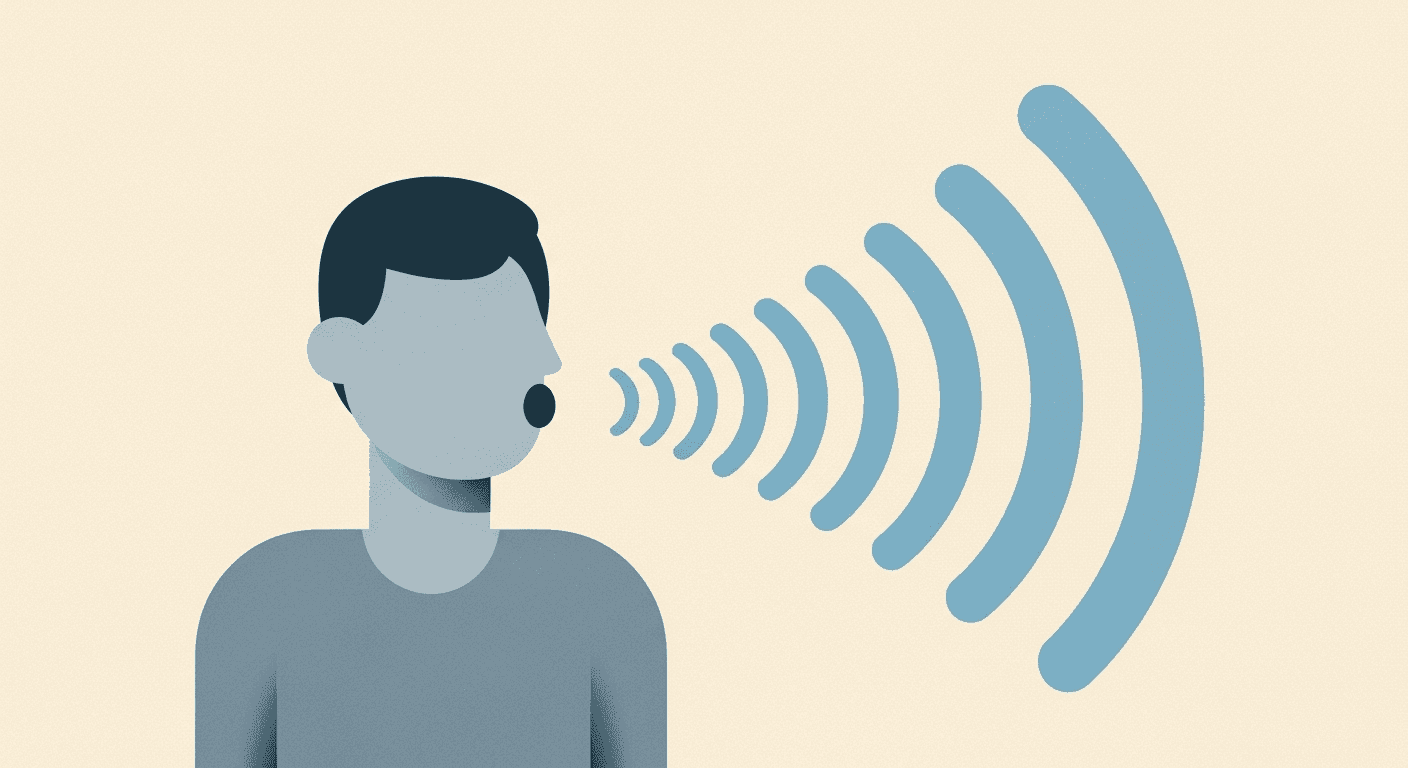
Articulate clearly by opening your mouth more when you speak. Mumbling forces listeners to work harder, and they'll tune out. Practice pronouncing full words instead of swallowing syllables, especially during phone calls where visual cues can't help.
Adjust your volume based on the setting. Whispering in meetings makes you forgettable, while shouting over video calls annoys everyone. Match your energy to the moment: more animated for presentations, calmer for one-on-one conversations, measured during interviews.
Handle Difficult Conversations with Confidence
Difficult conversations feel uncomfortable because stakes are high and emotions run deep. Whether you're working through a conflict with a coworker, delivering critical feedback, or pushing back on unrealistic deadlines, avoiding these talks only makes things worse. Poor communication creates real damage: 40% of people experience burnout, stress, and fatigue directly because of workplace communication breakdowns.
Start by preparing your main points before the conversation begins. Know exactly what issue you need to tackle and what outcome you want. Vague complaints like "you're difficult to work with" go nowhere, while specific examples like "when you interrupted me three times in yesterday's meeting, I couldn't finish presenting my ideas" give the other person something concrete to respond to.
Stay calm even when emotions spike. Take deep breaths and lower your voice if things get heated. Responding to anger with more anger escalates the situation.
Focus on the problem, not the person. Say "this deadline doesn't work because..." instead of "you always create impossible timelines." Frame issues as shared challenges to solve together instead of assigning blame.
Adapt Your Communication Style across Different Channels
Different channels need different approaches. Emails work best for detailed information that requires documentation, but tone gets lost easily and they lack urgency. Save complex discussions for video calls or face-to-face meetings where you can read reactions and clarify immediately.
Instant messaging fits quick questions and updates, not complex feedback or sensitive topics. When something feels too complicated for chat, pick up the phone or schedule a call. Phone conversations create connection without requiring calendar coordination, though you lose visual cues.
Match your formality to the channel. Emails to executives need polish and structure. Team chat can be casual. Video calls fall somewhere between.
Channel | Best For | Advantages | Disadvantages |
|---|---|---|---|
Detailed information, documentation, non-urgent updates | Searchable record, time to craft response, works across time zones | Tone easily misread, lacks urgency, slow for back-and-forth | |
Video Call | Complex discussions, sensitive topics, team collaboration | Visual cues visible, immediate clarification, builds rapport | Requires scheduling, can feel formal, tech issues disrupt flow |
Phone Call | Urgent matters, personal connection, quick decisions | More personal than text, no calendar needed, tone comes through | No visual cues, no documentation, interrupts workflow |
Instant Message | Quick questions, status updates, casual coordination | Fast responses, low formality, keeps momentum going | Encourages interruptions, not for complex topics, easy to misinterpret |
Face-to-Face | Relationship building, difficult conversations, brainstorming | Full communication range, strongest connection, real-time feedback | Requires physical presence, no automatic record, scheduling challenges |
Build Stronger Professional Relationships through Communication
Strong professional relationships come from consistent, genuine communication that goes deeper than small talk. When you check in with colleagues regularly, share credit openly, and remember what matters to them personally, you build connections that last beyond any single project or role.
Real networking means having conversations where you listen more than you pitch. Ask thoughtful questions about someone's work challenges or recent wins. Follow up on previous discussions to show you were paying attention. These actions separate authentic relationship-builders from people just collecting contacts.
Team collaboration works best when you share updates about progress, roadblocks, and ideas before anyone asks. Acknowledge others' contributions publicly. When conflicts arise, deal with them directly and respectfully instead of letting resentment grow.
Your career advancement depends on who knows your work and advocates for you behind closed doors. Strong communicators naturally build those advocates by keeping stakeholders informed, requesting feedback, and expressing genuine appreciation.
How Sprout Helps Job Seekers Communicate Their Value Effectively
Job applications are one big communication test. You're explaining why you're the right fit, what value you bring, and why an employer should invest time interviewing you. Mess up that message and your resume gets tossed, no matter how qualified you are.
Sprout builds AI-tailored resumes and cover letters for every single job you apply to, pulling keywords directly from each job description and rewriting your experience to match what that specific employer wants. Instead of sending the same generic resume everywhere, you're communicating your qualifications in the exact language each company uses.
Our AI creates ATS-friendly documents that pass automated screening systems while still sounding human and authentic. Tailor each cover letter to the role, showcasing your relevant skills without the fluff recruiters hate. You're applying with clearer, more targeted communication that actually gets responses.
FAQs
How long does it take to see improvement in your communication skills?
Most people notice meaningful progress within 2-3 weeks of consistent practice with one or two specific skills, like active listening or clear writing. Full transformation across all communication areas typically takes 2-3 months of daily application in real conversations and work situations.
What's the difference between active listening and regular listening?
Regular listening means hearing words while thinking about your response, whereas active listening requires full concentration on the speaker's message, tone, and intent before you react. Active listening includes paraphrasing what you heard, asking follow-up questions, and eliminating distractions like your phone.
When should I use email versus a video call for work communication?
Use email for detailed information that needs documentation, non-urgent updates, or when time zones make synchronous communication difficult. Choose video calls for complex discussions requiring immediate clarification, sensitive topics where tone matters, or when you need to read facial expressions and body language.
Final Thoughts on Developing Communication Skills
Strong communication skills are built through repetition, reflection, and real-world use, not by skimming advice and moving on. The fastest growth usually comes from working on the area that feels hardest, whether that’s speaking up in meetings, writing clearer emails, or handling conflict directly. And as for your job search, communication is your first filter and your first impression. Sprout helps you turn your experience into focused, role-specific resumes and cover letters that communicate your value in the language employers expect. Start improving your communication skills where it counts most by trying Sprout and sending applications that actually get read.