

Summary
Entry level UX designer jobs pay $91K-$125K in April 2026. Learn required skills, where to apply, and how to stand out with tailored applications.
Entry level UX designer jobs are everywhere right now, but landing one still feels harder than it should. Between ATS filters tossing out good resumes and job boards full of stale listings, the gap between "open roles" and "actual interviews" is wider than most people expect. This guide breaks down what these roles actually pay, the skills hiring managers care about, where to find real openings, and how to get your application past the robots and into human hands.
TLDR:
Entry level UX designer jobs typically pay between $65K and $95K nationally, with higher ranges in top markets sometimes exceeding $110K.
You need wireframing, Figma skills, and user research experience shown through portfolio work.
ATS systems can filter resumes by exact keyword matches from job descriptions before humans see them.
Many candidates apply to dozens of roles, but manual customization burns you out fast.
Some AI-powered application tools can automate tailored applications with job-specific keywords and ATS-friendly formatting.
What Is an Entry Level UX Designer Job?
An entry level UX designer job is your foot in the door to a design career, not a senior role in disguise. Your day-to-day typically involves:
Improving usability on apps or websites based on research and heuristic reviews
Running or assisting user tests to find where experiences break down
Collaborating with engineering teams to bring design solutions into production
Executing tasks assigned by senior designers or a design lead
You won't be setting strategy on day one, and that's fine. Junior contributors who focus on execution tend to learn faster than those thrown into the deep end.
The Experience Misconception
One thing worth clearing up early: entry level does not mean "3 years of professional UX experience required." Many of those postings are written poorly. In practice, a large number of these roles are open to recent grads and career switchers with a strong portfolio and clear thinking process, even if the work came from bootcamps, freelance projects, or academic coursework.
Key Skills and Qualifications Employers Look For in Entry Level UX Designer Roles

Hiring managers at entry level aren't expecting a decade of experience. They want proof you can do the work.
Must-Have Technical Skills
These are the non-negotiables you need to show up with, ideally through portfolio work:
Wireframing and prototyping at low and high fidelity, from rough sketches to polished interactions
Proficiency in Figma or Adobe XD, since most teams run on one of these tools
User research methods like interviews, usability testing, and affinity mapping
Translating research findings into design decisions, on top of making screens look good
According to Careerist, strong skills in wireframes, prototypes, and mockups are expected across virtually all UX and UI roles. No portfolio? Build one. Bootcamp projects, academic work, and self-initiated redesigns of existing apps all count.
Nice-to-Have Skills and Credentials
A formal degree in design, HCI, or computer science carries weight, but won't make or break your application if your portfolio is strong. What helps is anything that shows range:
Basic HTML and CSS so you can speak the same language as engineers
Motion or interaction design skills for consumer-facing company roles
A UX certification from Google or Nielsen Norman Group
Typical Salary Range for Entry Level UX Designer Jobs
Geography and company type shape what you'll actually take home, and the gap can be substantial.
Salary by Geography
According to ZipRecruiter, most entry level UX designer roles fall between $65,000 and $95,000 annually, with higher compensation in major tech hubs.
Beyond Base Salary
Base pay tells only part of the story. Tech firms frequently layer in signing bonuses and equity grants, while agencies tend to offer straight salary with fewer extras.
At startups, equity can look attractive on paper but carries real financial risk depending on funding stage and exit potential.
At mature companies, RSUs vest on a predictable schedule, making total compensation easier to plan around.
When weighing two offers, look at the full package, beyond the base figure on line one.
Where to Find Entry Level UX Designer Job Openings
Most job seekers default to LinkedIn or Indeed and call it a day. That works, but you're swimming in heavy competition and often hitting listings that have been stale for weeks.
Design-Specific Job Boards
Niche boards filter out the noise by focusing exclusively on creative and product roles:
Dribbble Jobs surfaces roles at design-forward companies where hiring teams already respect portfolio-driven candidates.
Coroflot connects designers with both agency and in-house opportunities across a wide range of industries.
UI/UX Jobs Board offers curated, design-specific postings that skip the clutter of general job aggregators.
Company Career Pages and Direct Applications
Going straight to the source beats third-party aggregators more often than people realize. Companies post roles on their own career pages first, sometimes before syndicating to boards. Bookmark your target companies' careers pages and check weekly.
Aggregated and Verified Listings
The real problem with job boards is accuracy. Expired roles, duplicates, and phantom listings waste your time. Sprout pulls from verified company career pages and trusted boards daily, stripping out stale and duplicate postings before they reach you. Every listing is a real opportunity with an actual recruiter on the other end, which matters a lot when you're trying to apply to jobs at scale using AI.
How to Make Your Application Stand Out for Entry Level UX Designer Roles
Many entry level UX designer applications are filtered before a recruiter reviews them.
ATS systems scan for exact language from the job description. If a posting says "usability testing" and your resume says "user testing," that mismatch can cost you. Mirror the job description's phrasing inside achievement-based bullets, not a skills list at the bottom nobody reads.
Tailored Resumes and Cover Letters
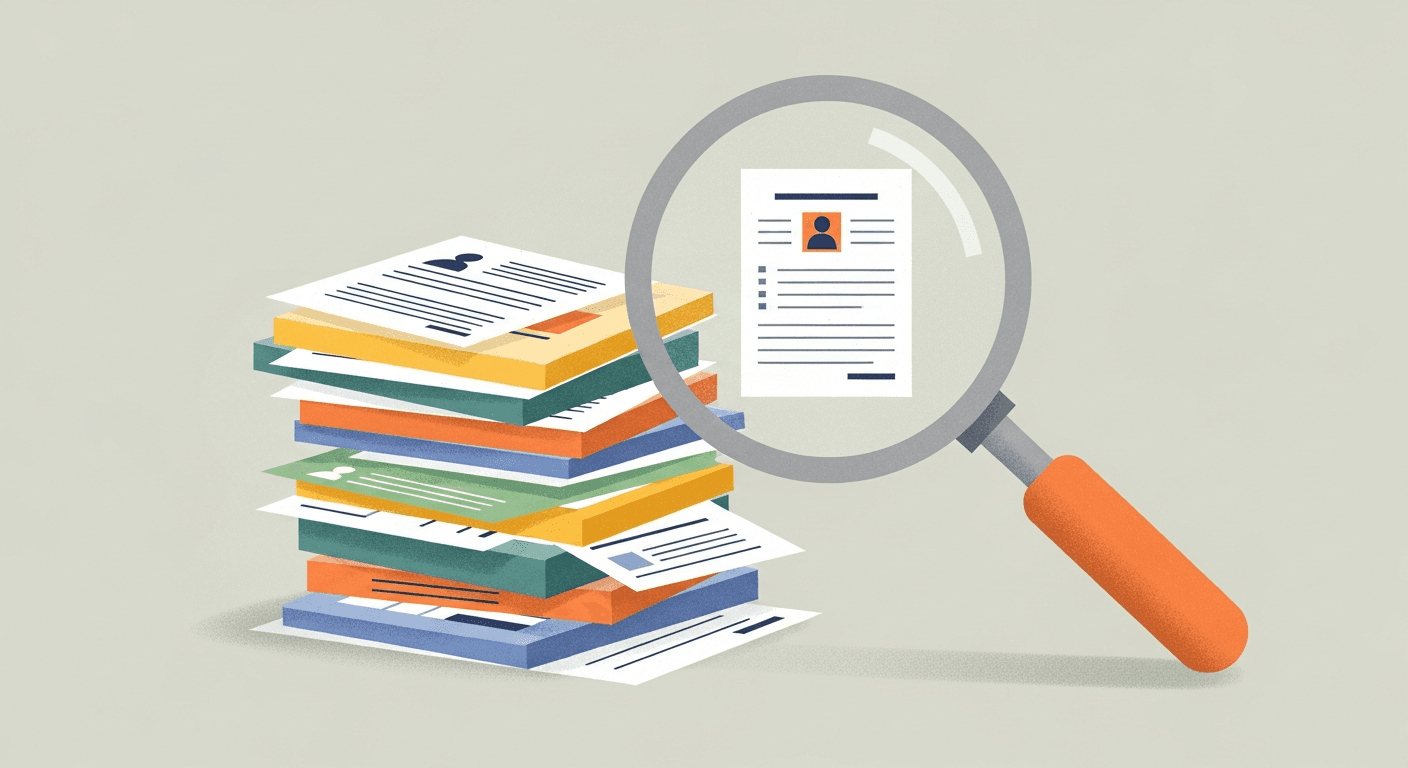
Rewriting your resume for every role manually is exhausting. Tools like Sprout handle this automatically: pulling keywords and verbs directly from each job description, rewriting your bullets to include them naturally, and reordering sections based on the role's seniority. The result is a resume that reads as hand-crafted without the hours of manual work.
Portfolio and Work Samples
Recruiters care more about your thinking than your final screens. Lead with case studies that walk through your process: research, decisions made, tradeoffs considered. No professional work? Redesign an existing app and document why. The process is the proof.
How to Apply to Multiple Entry Level UX Designer Jobs Without Burning Out
Most entry level UX designer candidates need to submit dozens of tailored applications before landing interviews. Do that manually, and you're rewriting resumes and cover letters every night until the search drains you completely.
The Volume Problem
Customizing every application by hand sounds disciplined, but it rarely holds. Most people start strong, then cut corners around application 20. Cover letters get recycled. Resumes stop getting tailored. Quality drops right when personalization matters most.
Tool-Assisted Application Workflows
Sprout's swipe-to-apply interface lets you move through UX openings efficiently while maintaining personalization quality for each role. Every application is automatically tailored with job-specific keywords, ATS-friendly formatting, and customized bullets that match the exact requirements from the posting. The result: some users report improved interview response rates compared to sending generic applications, while spending less time on manual customization.
The centralized design also makes the process more manageable for candidates who struggle with the executive-function demands of a long job search, whether that's tracking dozens of open threads or staying consistent over weeks of rejection. Everything lives in one place, removing a surprising amount of friction.
Speed and personalization don't have to trade off. See how the Sprout web app works and decide if it fits your search.
What to Expect after Applying to Entry Level UX Designer Jobs
Submitting an application feels like dropping something into a void. Here's what's actually happening on the other side.
Typical Response Timelines
Stage | Typical Timeline | What It Means |
|---|---|---|
Initial ATS Scan | Immediate | System checks formatting and keywords |
Recruiter Review | 3-7 days | Human screening of portfolio and resume |
Portfolio Review | 5-10 days | Design team reviews case studies |
First Interview Invite | 1-3 weeks | Phone or video screen scheduled |
Design Challenge | 2-4 weeks | Take-home assignment or live task |
Common Screening Formats
Most processes start with a recruiter phone screen built around your portfolio walkthrough. Come ready to narrate your thinking. After that, expect a design challenge, either a take-home assignment or a live task where process matters more than polish. Final rounds usually bring in senior designers and product managers through a panel format.
Tracking and Follow-Up
Following up at the right time requires knowing when you applied and what stage you're in. A unified dashboard that logs every submission automatically and syncs statuses across devices in real time means you always know where each application stands. No spreadsheet required. Learn more about what changed with Sprout's relaunch.
How Sprout Helps You Land Entry Level UX Designer Jobs Faster
Searching for entry level UX designer jobs is already a full-time job on its own. Between rewriting your resume for every posting, crafting cover letters that don't sound copy-pasted, and keeping tabs on dozens of applications, the process eats hours you could spend building your portfolio. Sprout was built to take that weight off your shoulders so you can focus on the work that actually gets you hired.
With Sprout's swipe-to-apply interface, you move through verified UX openings quickly while the AI generates a tailored resume and cover letter for each one. Every application pulls keywords directly from the job description, rewrites your bullets to match, and formats everything with standard headers and clean layouts that ATS systems can actually parse. No tables, no multi-column tricks, no formatting that gets scrambled on the other end.
Everything lives in one dashboard: every job you applied to, its status, and when to follow up, all synced across your phone and computer in real time. If you're serious about breaking into UX and want the search itself to stop draining your energy, give Sprout a try and see how much faster things move.
FAQs
Can I get an entry level UX designer job without professional experience?
Yes. Many entry level UX roles accept strong portfolios from bootcamps, freelance projects, or academic work instead of years of professional experience. Hiring managers care more about your process and thinking than where the work came from, so focus on building case studies that show research, decisions, and tradeoffs.
How long does it take to hear back after applying to entry level UX jobs?
Expect 3-7 days for recruiter review and 1-3 weeks for a first interview invite if your application passes the initial ATS scan. Portfolio review typically happens within 5-10 days, followed by design challenges at the 2-4 week mark for candidates moving forward.
What skills do employers actually look for in entry level UX designers?
Wireframing and prototyping at low and high fidelity, proficiency in Figma or Adobe XD, and user research methods like usability testing and interviews. You also need to show you can translate research findings into design decisions, on top of making things look nice.
Final Thoughts on Entry Level UX Designer Jobs
Entry level UX designer jobs are out there in real numbers, and the pay is solid even at the junior level. The hard part was never a lack of openings. It's the grind of tailoring every resume, writing a fresh cover letter, and keeping track of where you applied last Tuesday at 2 AM. Sprout was built for exactly this problem. It pulls keywords directly from each job description, rewrites your resume bullets to match, formats everything so ATS systems can actually read it, and tracks every submission in one dashboard. If you're serious about breaking into UX design and don't want the search itself to burn you out, give Sprout a try and see how much faster the process moves.