

Summary
Learn what entry level software engineer jobs require in May 2026, including skills, salary ranges ($75K-$95K), and how to apply smarter with tailored resumes.
Landing an entry-level software engineer job is competitive, but it's far more manageable when you know exactly what employers want and how to position yourself for it. This guide covers what these roles actually require, where to find them, what they pay, and how to apply in a way that gets you callbacks instead of silence.
TLDR:
Entry-level software engineer jobs usually expect 0-2 years of experience (sometimes up to 3) and fluency in one language like Python or Java.
Average starting salary typically ranges from $75,000 to $110,000 annually, depending on location and company size.
Tailoring your resume with job-specific keywords from each posting increases your interview callback rate.
An active GitHub profile with well-documented projects gives hiring managers direct evidence of your coding ability.
AI-powered job search tools like Sprout can automate personalized applications with ATS-friendly resumes tailored to each job, increasing your interview callback rate while saving hours per week.
What Is an Entry-Level Software Engineer Job?
Entry-level software engineer jobs are designed for candidates with limited or no professional experience. These roles typically expect 0 to 2 years of experience, a foundational grasp of at least one programming language, and the ability to contribute to a team under guidance.
You'll generally see these positions listed under titles like junior software engineer, associate software engineer, or software developer I. The work often involves writing and testing code, fixing bugs, reviewing documentation, and collaborating with senior engineers on larger projects.
What Companies Are Really Looking For
Most hiring teams aren't expecting mastery. They want to see that you can think through problems, write readable code, and learn quickly.
Common requirements include:
A degree in computer science, software engineering, or a related field (though bootcamp grads and self-taught candidates are increasingly competitive)
Proficiency in languages like Python, Java, JavaScript, or C++
Familiarity with version control tools like Git
Basic understanding of data structures and algorithms
Key Skills and Qualifications Employers Look For in Entry-Level Software Engineer Roles
Most entry-level software engineer jobs share a common set of expectations, even if the tech stack varies by company. Knowing what employers are actually scanning for helps you prepare smarter instead of harder.
Technical Skills
Employers generally expect candidates to show up with at least one solid programming language under their belt. Python, Java, and JavaScript are the most commonly requested. Beyond that, familiarity with data structures, algorithms, and version control (Git) goes a long way. Resources like the Tech Interview Handbook study guide can help you prepare for technical screens.
Proficiency in at least one object-based or scripting language
Understanding of core data structures like arrays, trees, and hash maps
Experience with Git-based workflows and collaborative code repositories
Basic knowledge of databases, both SQL and NoSQL varieties
Exposure to REST APIs and how client-server communication works
Soft Skills
Technical chops only get you so far. Hiring managers want engineers who can communicate clearly, take feedback without melting down, and work alongside a team without constant hand-holding.
Clear written and verbal communication for code reviews and documentation
Ability to break down ambiguous problems into structured solutions
Genuine curiosity and willingness to keep learning on the job
Typical Salary Range for Entry-Level Software Engineer Jobs
Starting salaries for entry-level software engineer jobs vary based on location, company size, and your tech stack. According to salary data from Levels.fyi, compensation can range widely across different companies. Here is a general breakdown of what you can expect:

Experience Level | Average Annual Salary (US) |
|---|---|
Entry-Level (0-1 years) | $75,000 - $110,000 |
Junior (1-3 years) | $90,000 - $130,000 |
Mid-Level (3-5 years) | $120,000 - $150,000 |
How Location Affects Pay
Geography plays a big role in your offer. Major tech hubs like San Francisco, Seattle, and New York tend to pay well above the national average, though cost of living offsets much of that gain. Remote roles have narrowed this gap considerably, with many companies now offering competitive salaries regardless of where you live.
Startups often compensate lower base salaries with equity packages that can add real value over time.
Large tech companies (FAANG and similar) typically anchor offers at the higher end of these ranges.
Some companies have reduced geographic pay differences as remote work becomes more common, though compensation still varies widely by location.
Where to Find Entry-Level Software Engineer Job Openings
Knowing where to look is half the battle when searching for entry-level software engineer jobs. The good news is that openings are spread across several reliable channels, so you have options depending on how you want to search.
Job Boards and Aggregators
General job boards like LinkedIn, Indeed, and Glassdoor are solid starting points. Filter by experience level and set up alerts so fresh postings land in your inbox automatically. For roles more specific to tech, sites like Dice and Built In tend to surface more targeted listings with less noise.
Company Career Pages
Going directly to a company's careers page cuts out the middleman. Some companies post roles there before syncing them to job boards, which can give you a slight timing advantage.
Campus Recruiting and Hackathons
If you are still in school or recently graduated, your university's career center likely has employer relationships you can tap. Hackathons and coding competitions also attract recruiters actively scouting for early-career talent.
How to Make Your Application Stand Out for Entry-Level Software Engineer Roles
Standing out in a stack of entry-level software engineer applications takes more than a polished resume. Hiring managers scan dozens of submissions quickly, so the details matter.
Tailor Every Application
Generic applications get ignored. Read each job description carefully and mirror the language used. If the posting mentions React, Django, or REST APIs, those exact terms should appear in your resume where relevant. Applicant tracking systems filter by keywords before a human ever sees your file.
Show Work, Beyond Just Listing Skills
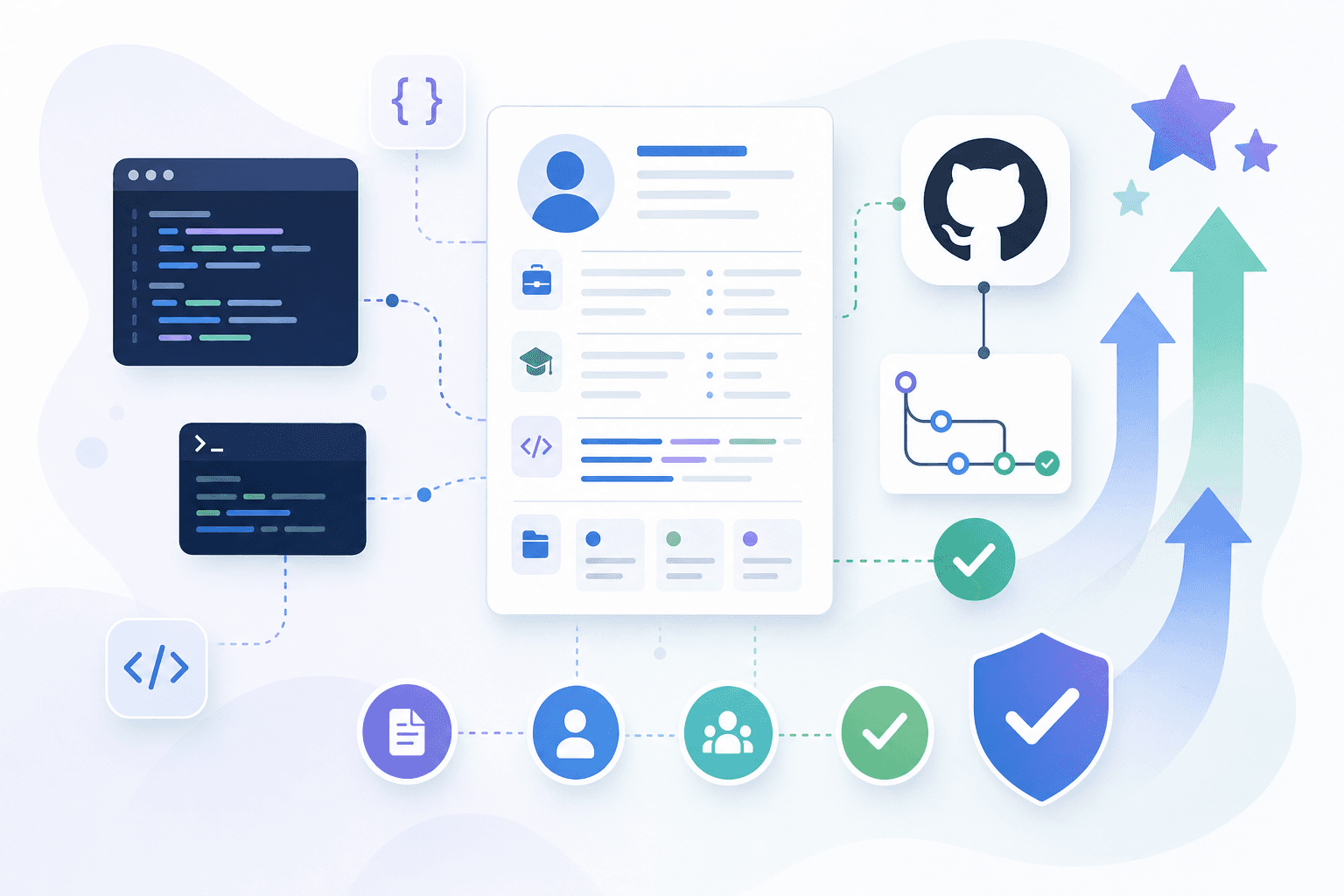
Link to a GitHub profile with active, well-documented repositories so reviewers can see real code you've written.
Include two or three personal or academic projects with brief descriptions of the problem you solved and the tech you used.
If you contributed to open source, call it out with the project name and your role.
Write a Targeted Cover Letter
A short, targeted cover letter goes further than a recycled template. Reference something real about their product or engineering team to show genuine interest.
How to Apply to Multiple Entry-Level Software Engineer Jobs Without Burning Out
Applying to dozens of jobs is completely normal in today's market, but generic applications still underperform. Recruiters and ATS systems look for skills, keywords, and experience that match the specific role, which is why tailored applications consistently lead to more interviews.
The challenge is scaling personalization without spending hours rewriting every resume and cover letter manually. That's where tools like Sprout help by automatically tailoring applications to each role while still letting you apply at volume.
Set Up a Tracking Spreadsheet
Before anything else, log every job you apply to with the company name, role, date, status, and the specific keywords from the job description. This keeps follow-ups organized and helps you spot patterns in what's working.
Tailor Without Starting from Scratch
Tailoring applications to each role improves response rates because ATS systems and recruiters look for relevant keywords and experience matches. The problem is that manually rewriting resumes and cover letters for every application takes significant time, which is why many candidates now use tools like Sprout to automate tailoring while still keeping applications personalized.
Focus your energy on roles where you meet at least 70% of the listed requirements
Batch similar applications together to stay in a focused mindset
Focus on maintaining application quality as volume increases by using systems and tools like Sprout that let you tailor applications efficiently at scale.
What to Expect After Applying to Entry-Level Software Engineer Jobs
The hiring process for entry-level software engineer jobs typically moves in predictable stages, and knowing what's coming helps you prepare instead of panic.
Most companies run a similar gauntlet: application review, a recruiter phone screen, one or two technical rounds, and then a final interview with the team. Some add a take-home coding challenge in there too.
Here are the stages you'll likely work through:
Recruiter screen: A 20 to 30 minute call to confirm your background, salary expectations, and general fit before looping in engineers.
Technical phone screen: Expect algorithm and data structure questions, often delivered through a shared coding environment like HackerRank or CoderPad.
Take-home or live coding challenge: Some companies prefer a timed project you complete independently, while others watch you code in real time.
Final round: Usually a mix of technical depth, system thinking, and behavioral questions with multiple interviewers.
Response times vary. Larger companies can take two to four weeks between stages, while startups often move faster. If you haven't heard back within a week of applying, a short follow-up email is completely reasonable.
Apply Smarter with Sprout
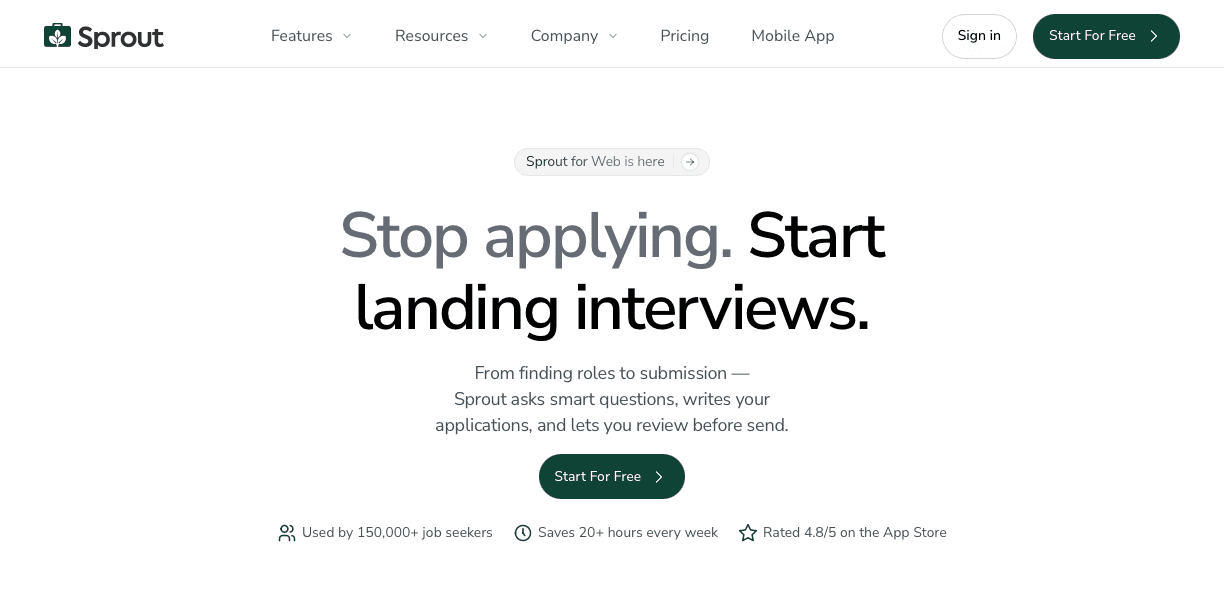
Most candidates applying to entry-level software engineer roles send out the same resume dozens of times and wonder why the response rate stays flat. The problem is generic applications; ATS systems filter by keyword match, and hiring managers can spot a recycled cover letter instantly.
Sprout is an AI-powered job search tool built to fix that. For every role you want to apply to, it pulls the top skills and keywords directly from the job description and rewrites your resume bullets to match naturally, without stuffing. Each cover letter is written from scratch for that specific company and role.
The result is a tailored application stack for every job, without spending an hour per application. If you're serious about improving your interview callback rate, Sprout is a strong place to start.
FAQs
Can I get an entry-level software engineer job without a computer science degree?
Yes, bootcamp graduates and self-taught developers are increasingly competitive for these roles. Employers care more about demonstrable coding skills, live projects on GitHub, and problem-solving ability than where you learned. That said, you'll need to show proficiency in at least one language and solid understanding of data structures to pass technical screens.
Entry-level software engineer vs junior software engineer: what's the difference?
They're typically the same role with different titles. Both expect 0-2 years of experience and involve writing code under supervision, fixing bugs, and learning from senior engineers. Some companies use "associate software engineer" or "software developer I" instead, but the responsibilities and salary ranges overlap almost entirely.
How long does the hiring process usually take for entry-level software engineer jobs?
Larger tech companies often take several weeks between stages, and the full process can stretch to 4-8 weeks or longer, while startups often move faster at 1-2 weeks. If you haven't heard back within a week of applying, a brief follow-up email is appropriate and shows continued interest.
What programming languages should I focus on for entry-level software engineer roles?
Python, Java, and JavaScript are the most commonly requested languages across job postings. Pick one to build real proficiency in, then add Git and basic data structures knowledge. That combination covers the technical baseline for most entry-level positions and gets you through initial ATS filters.
Final Thoughts on Entry-Level Software Engineer Jobs
Landing an entry-level software engineer job comes down to preparation, consistency, and making sure each application actually reflects the role you're going after. If you're ready to move faster without sacrificing quality, Sprout can help; it tailors your resume and cover letter to each job automatically, so your applications look hand-crafted even when you're sending out dozens. Whether you're applying to your first role or your fiftieth, the right tools make a real difference.